We use cookies to improve your experience and keep DungeonFog running smoothly. Accept all cookies or customize your choices. Details are in our Privacy Policy.
(Still no real cookies, sadly.)
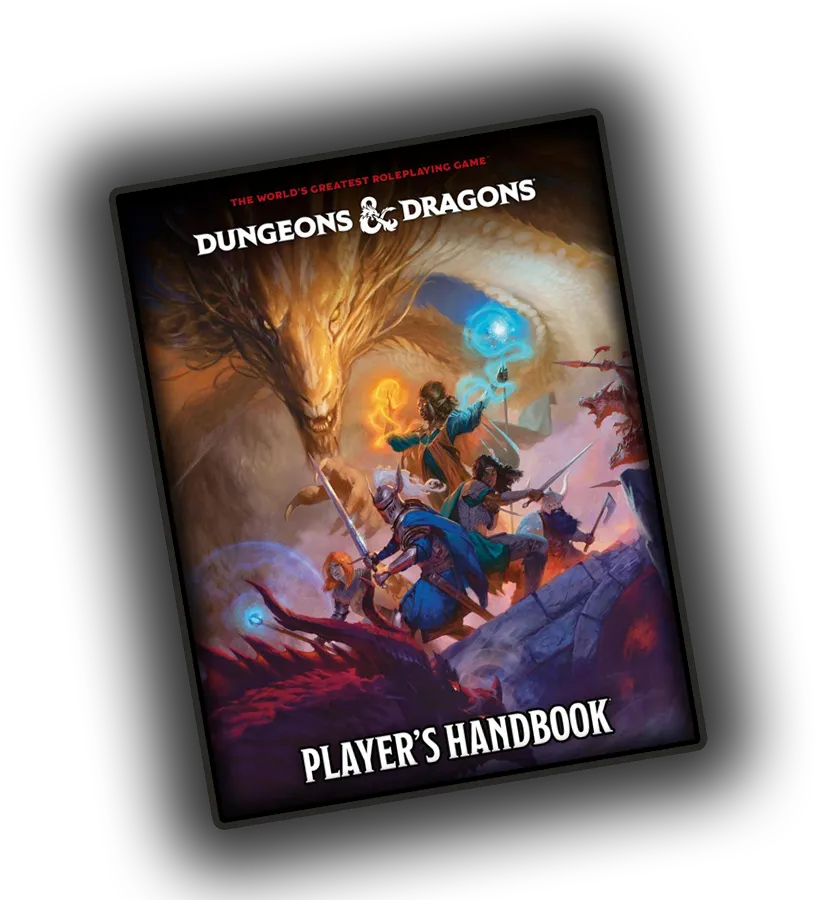
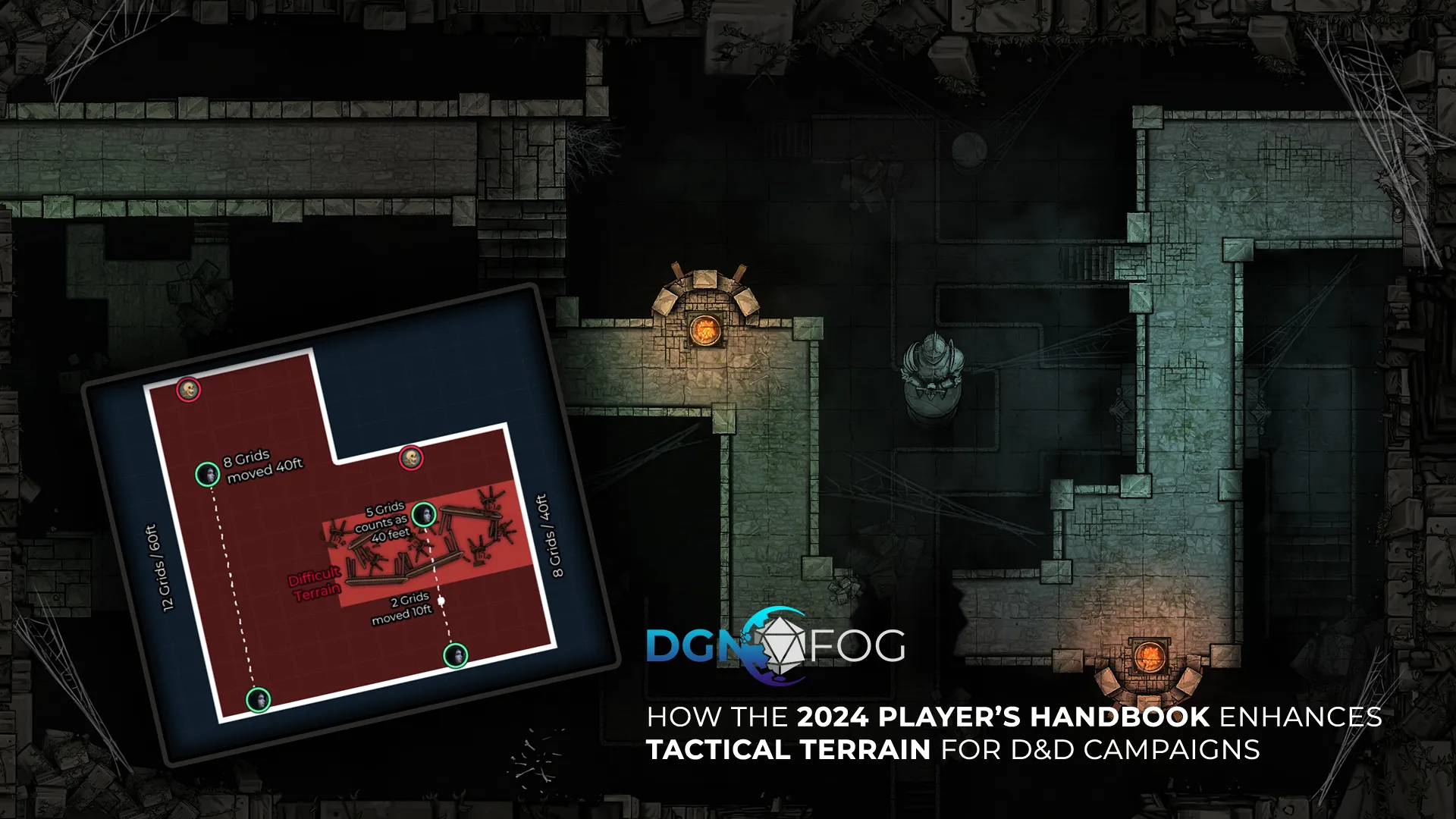
The release of the 2024 Player’s Handbook introduces a series of impactful changes that can reshape how we approach battle map design for Dungeons & Dragons campaigns. With adjustments to class abilities, weapon mastery, and new character customization options, the handbook invites Dungeon Masters to explore new ways to create maps that are not only visually engaging but strategically enriching for players.
As a longtime map-making enthusiasts and a game masters, the 2024 Player’s Handbook updates are both exciting and challenging for us and the DungeonFog community. We’re passionate about map making that feel immersive and functional, not just visually but strategically, to enhance gameplay. With the 2024 handbook's changes, we can push our battle map designs further to meet the evolving needs of D&D players.
By incorporating vertical elements like cliffs, towers, or multi-floor buildings, we can create layers of strategic depth. With new action economy mechanics, players have more freedom to consider their positioning, so multi-level terrain allows them to maximize line-of-sight advantages, take cover, or reach high-ground vantage points. This setup not only enriches combat but also encourages diverse character movement and interaction within the space.
With weapon mastery properties granting unique effects (like allowing a flail to “Sap” an opponent), map design can intentionally support these abilities. Narrow corridors, rocky outcrops, and strategically placed cover allow different weapons to shine, encouraging players to adapt their strategy based on available terrain. This approach turns terrain into an ally, letting players fully experience the distinct properties of each weapon in combat.
With new, more versatile movement options, designing maps with rivers, pits, and rocky areas rewards creative navigation and movement-based skills. By including zones where climbing, jumping, or even flying grant distinct advantages, we create a dynamic battlefield that encourages characters to make full use of their unique movement abilities.
The updated rules encourage a more versatile action economy, so maps with open spaces allow players to spread out, regroup, and set traps. By designing fields, caverns, or wide corridors, we support varied strategies that let players leverage bonus actions or movement abilities, encouraging tactical freedom.
Combining large and tight spaces in maps caters to different combat styles, complementing the handbook’s new action mechanics. Open areas allow for powerful spell use or martial maneuvers, while narrower spaces can favor melee tactics and cover. This variety in encounter spaces ensures that players can approach battles strategically, making each encounter unique and engaging.
With new balancing adjustments to spells like Guidance and Counterspell, environmental triggers—such as enchanted altars or cursed ground—can enhance strategic use of spells. Placing these magical hotspots allows players to cast spells more effectively or adapt their tactics based on location, adding a layer of depth and interaction to the environment.
Roleplaying opportunities are expanded in the new handbook, so we can reflect this in maps by including shrines, ancient ruins, or lore-rich areas. These zones can connect directly to character backgrounds or alignments, enriching the narrative. A haunted graveyard, for example, might resonate with a paladin’s holy mission, or a forgotten library could link to a wizard’s backstory. These elements deepen immersion by offering players places where they can explore their characters’ identities.
Streamlined resource recovery rules create opportunities for in-game rest areas like forest groves or fortified camps. These thematic rest points provide logical and immersive breaks in gameplay, allowing characters to recuperate in spaces that feel relevant to the adventure, rather than as abstract pauses.
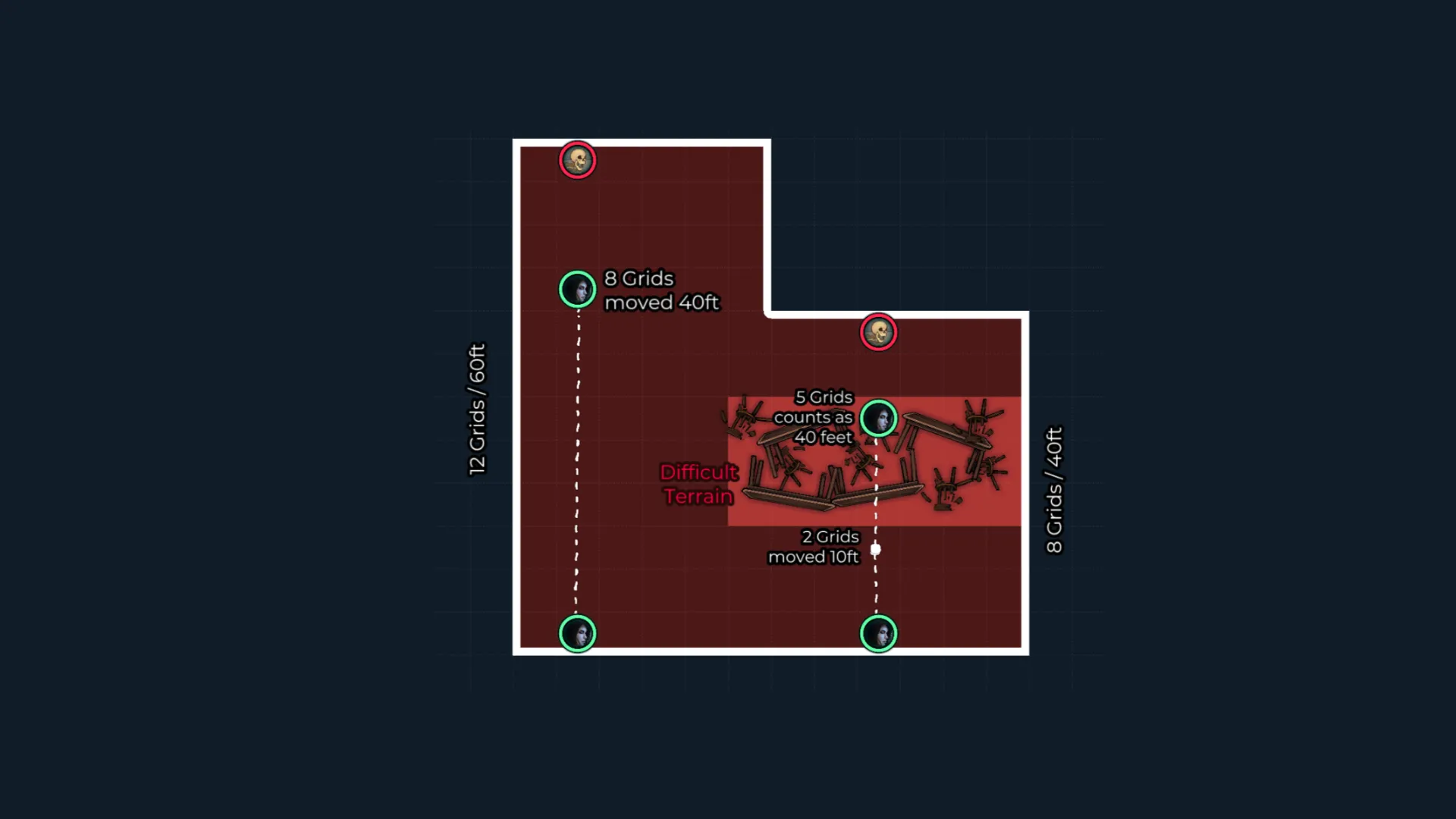
Difficult terrain can help improve tactical combat maps by adding layers of complexity
These map design strategies give us, as Dungeon Masters and map creators, powerful ways to integrate the updates from the 2024 Player’s Handbook into our adventures. By focusing on terrain interaction, designing zones that align with character backstories, and creating flexible spaces that allow for tactical depth, we can bring maps to life in ways that reflect D&D’s latest mechanics and narratives.
Each design choice adds depth and enhances storytelling, transforming maps into immersive stages for exploration, combat, and character development. Together, we can craft memorable maps that invite players to think strategically and immerse themselves fully in their characters and the world. Let’s take this opportunity to make every map a new canvas for adventure!
With the 2024 Dungeon Master’s Guide on the horizon, we're eager to explore how its new tools will enhance our map-making and storytelling. The streamlined adventure planning features and the innovative Bastion system have us especially excited, and we can’t wait to dive into these features in an upcoming blog post! Stay tuned for more insights and, as always, happy map making!
— Your DungeonFog Team
Join DUNGEONFOG today by creating a free account and bring light to your maps!
Create up to 3 maps with Fantasy assets and textures or search the vast public library for the optimal map for your adventure. Begin your adventure now!